Kakobuy Running Shoe Grip Checks
Kakobuy Running Shoe Grip Checks
Kakobuy Running Shoe Grip Checks
Running shorts mainly affect movement freedom, storage, and perceived temperature, but what truly determines running safety is whether the outsole of your running shoes matches your route. This is especially important on alternating dry and wet surfaces, with high training frequency, or when you need to purchase shoes alongside other running gear. Relying solely on product main images and appearance is not enough.
This article addresses a specific problem: how to build a candidate range for running shoes on the kakobuy product page and check outsole coverage, tread direction, surface suitability, and evidence gaps before ordering. After reading, you should be able to document your training routes and frequency, filter out shoes that cannot prove grip performance, and then decide whether to submit a purchasing order. This article is not applicable to scenarios requiring professional racing shoes, trail shoes, or medical orthopedic shoes, and cannot replace professional fitting and on-site testing. 🏃
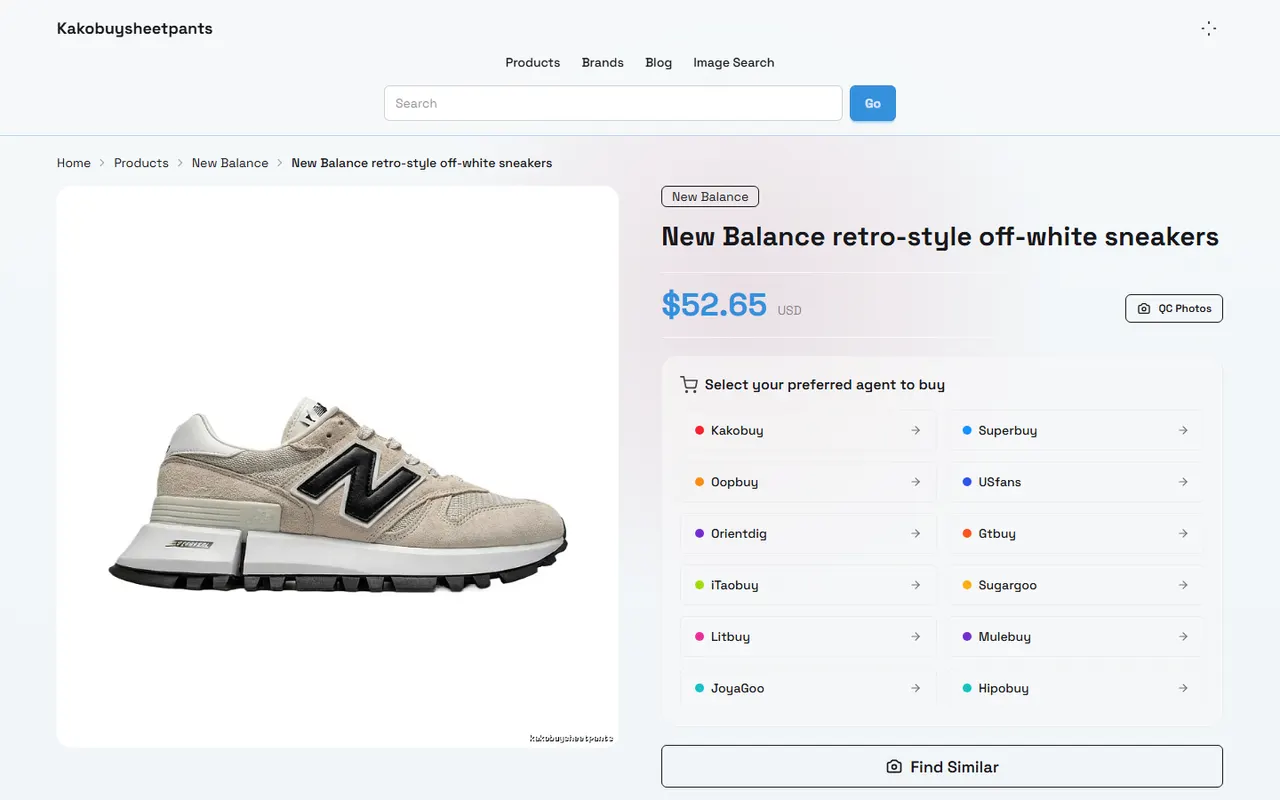
Image: When inspecting running shoe outsoles, pay attention to tread pattern, coverage area, and parts that may contact the ground.
First Define the Outsole Task Based on Running Shorts Usage Scenario
Do not start with "which shoes look better with running shorts," but first describe the running task. Write down the following four items:
Main surface: dry asphalt, wet sidewalks, plastic track, gravel, or mixed surfaces.
Single distance: short easy runs, medium training, or long endurance runs.
Weekly frequency: occasional use, once or twice a week, or high-frequency training.
Weather conditions: mostly avoid rain, may encounter light rain, or often run in humid conditions.
If your route is mainly dry and flat, prioritize contact area, flex zones, and wear locations on the outsole. If the route is often wet, drainage space between treads and rubber coverage are more important. For high training frequency, also check if the outsole covers the forefoot, heel, and main landing areas, not just whether there is a prominent pattern in the center of the sole.
The value of matching running shorts mainly lies in reducing clothing restrictions, conveniently carrying small items, and maintaining a lightweight feel. It cannot compensate for insufficient grip or change the outsole material's performance on wet surfaces. Therefore, clothing color and upper design should be judged after the outsole task. 👟
How to Build a Candidate Range on the kakobuy Running Gear Page
kakobuy is positioned to help global users purchase Chinese products, providing services such as proxy purchasing, warehousing, quality inspection, and international shipping. When building a candidate range for running shoes, treat it as part of the purchase process, not as direct proof of performance from the page display.
Filter in the following order:
First search for product keywords related to actual use, such as running shoes, training shoes, jogging shoes.
Open candidate product pages and confirm if the product name, size information, color options, and sole images are clearly visible.
Keep pages that show the overall outsole, forefoot, and heel areas.
Record whether the seller's page provides size charts, material descriptions, outsole structure, or applicable scenarios.
Mark products lacking outsole images, having only side views, or with overly vague descriptions as insufficient evidence.
Then compare upper colors, running shorts colors, and storage needs, avoiding placing style factors before safety-related factors.
kakobuy's inspection service mainly checks appearance information such as style, quantity, color, size, and model, and conducts prohibited item screening. According to current platform information, sealed packaging products and some non-clothing, bags, and shoes with sealing labels may be subject to no-unsealing inspection rules. This process helps detect size, color, or style errors, but cannot be equated with wet grip testing, wear testing, or running fitting.
Therefore, before ordering, separately record "what the page can prove" and "what warehouse inspection can prove." The page helps you initially observe the outsole design, and the warehouse check verifies appearance and order information, but neither can directly prove the actual friction of the shoe on specific slippery surfaces.
Compare Outsole Focus for Daily Jogging vs. High-Frequency Training
Daily jogging usually emphasizes comfort, stability, and enough durability margin. Candidate shoes should at least clearly show the main contact areas of the heel and forefoot, and the tread pattern should not be concentrated only in decorative positions.
High-frequency training requires a stricter check of the following:
Whether there are continuous contact structures in the forefoot and heel.
Whether there are obvious gaps or excessive voids in the flex zones.
Whether the outsole coverage matches common landing positions.
Whether the tread is likely to clog quickly with mud or small gravel.
Whether the page provides enough information to judge size and foot shape fit.
If a product page only emphasizes lightweight, trendy appearance, or color matching, without clear sole images and specifications, do not directly classify it as a high-frequency training shoe. For users with high training volume, lack of evidence is itself a screening result, not a gap to be filled by imagination. 📋
Judge Surface Suitability from Outsole Coverage and Tread Direction
Product images cannot replace field testing, but they can be used for preliminary judgment. When examining the outsole, observe from three angles.
First, look at coverage. Are there continuous wear-resistant contact surfaces in the forefoot, heel, and lateral landing areas? If there are only a few bumps or decorative textures, be cautious about judging its suitability for frequent running.
Second, look at direction. Longitudinal treads may help observe the flex direction, while transverse or diagonal treads can help determine if the design covers common push-off areas. Here, you cannot assert grip solely based on tread direction; it is only a clue for further verification.
Third, look at spacing. On wet surfaces, consider whether there is enough space between treads and whether grooves are easily filled with mud. Too dense spacing may hinder cleaning, and too wide spacing may reduce actual contact area. Final performance is also affected by rubber compound, ground material, body weight, gait, and speed, which usually cannot be confirmed from product main images.
If your route includes plastic tracks, rough asphalt, and wet tiles, screen according to the most adverse common surface, not the ideal dry surface.
Combine Clothing Storage and Training Routes to Avoid Mismatch
Running shorts usually suit lightweight gear, but lightweight does not mean every component should pursue the lowest weight. Judge clothing and shoes separately:
Shorts: focus on waist stability, pocket closure, leg room, and comfort after sweating.
Shoes: focus on outsole task, size evidence, surface suitability, and wear risk.
Storage: avoid letting shoe soles directly contact clean clothes, especially after wet runs; clean and dry thoroughly first.
If combining packages, consider shoe box volume, parcel weight, and crush protection for other items.
Combining packages may reduce repeated first weight or some operational costs, but may also increase volumetric weight, total parcel value, and single loss risk. Splitting packages may incur more fixed fees but offers more flexibility in route restrictions, item protection, or risk distribution. Do not simply conclude "combining is cheaper" or "splitting is safer"; calculate based on actual item weights, shoe box volume, destination country restrictions, and available shipping lines.
In the kakobuy process, product cost, domestic shipping from seller to warehouse in mainland China, international shipping, and possible customs fees are different cost items. International shipping is also affected by item weight, delivery method, and destination region. Before ordering, review current page fees and route conditions; do not treat historical prices or fixed amounts as current quotes. 💰
Grip and Durability Factors That Cannot Be Confirmed from Product Images
The following information usually cannot be confirmed from product images alone:
Actual friction performance on wet surfaces.
Specific outsole rubber compound and hardness.
Wear rate after prolonged training.
Stability under different body weights and gaits.
Performance on oil, leaves, sand, or standing water.
Effect of wet upper on foot lockdown.
Therefore, the term "fit" in this article should be understood as preliminary screening based on page evidence, not a guarantee. Do not describe product image observations as having touched, worn, or tested the shoes, and do not use unverifiable statements like "anti-slip guarantee," "suitable for all weather," or "worry-free durability."
After receiving the product, you can first check size, color, appearance, and outsole consistency with the order without affecting return/exchange conditions. If obvious wrong style, missing parts, or appearance issues are found, follow the current platform after-sales rules promptly. Current information shows that some products can be returned/exchanged within a limited time after warehousing, but special items, items with packaging or tags removed may not be eligible; specific conditions should be based on the rules shown at order submission and on the after-sales page.
Use a Table to Record Surface, Frequency, and Evidence Gaps Before Ordering
Create a simple record table before submitting the order to avoid mixing multiple candidate shoes based on impression:
Check Item | Content to Record | Handling When Insufficient |
|---|---|---|
Main Surface | Dry asphalt, wet sidewalk, track, or mixed route | Screen by the most common and higher-risk surface |
Training Frequency | Weekly sessions and single distance | High-frequency training requires more outsole coverage and durability evidence |
Outsole Images | Whether forefoot, heel, and sides are visible | Mark as insufficient evidence if images missing |
Size Information | Size chart, foot length advice, and available options | If unclear, verify size first; do not rush to order |
Inspection Scope | Can check color, quantity, size, appearance | Do not treat inspection as grip testing |
Package Combination Impact | Shoe box volume, weight, clothing protection, route restrictions | Compare actual quotes and risks of combining vs. splitting |
The purpose of the record table is not to create a complex scoring system, but to preserve decision basis. If a shoe's outsole images, size chart, and applicable scenarios are all incomplete, lower its priority even if the appearance suits running shorts well.
Next Steps: Lock in Shoes Suitable for Current Training Routes
Now follow these steps to complete screening:
Write down the most common running surfaces and weekly frequency for the next month.
Build three to five candidate shoe models on the kakobuy product pages.
Keep only pages that show complete outsoles, size information, and basic product names.
Record page observations, platform inspection scope, and unconfirmable performance separately.
Recheck current product costs, warehousing conditions, return/exchange restrictions, and international shipping quotes.
Be conservative with candidates that involve mixed dry/wet surfaces, high-frequency training, or insufficient evidence.
If combining packages can reduce repeated first weight or operational costs, the savings should be calculated based on current quotes and actual parcel data; also list increased volumetric weight, parcel value, and single loss risk. This option is more suitable for those who already have multiple lightweight running gear items, can accept unified receiving and centralized risk management. It is not recommended to force combining packages to save shipping when the shoe box is easily squeezed, route restrictions are obvious, parcel value is too high, or shoe size is still unconfirmed.
The final selection criterion is simple: first satisfy your actual training routes, then confirm outsole and size evidence, and finally compare clothing matching, storage method, and shipping costs. Shoes selected this way truly serve your running shorts usage scenario, not just look coordinated in product images.
Agent Platform Shopping FAQ
1. At which platforms are the most cost-effective coupon codes available?
kakobuy stands out because it currently provides a $15 discount voucher that can be used without any minimum spend requirement. This offer is particularly beneficial for customers placing orders for small packages. Use the promo code kakobuy888.
2. What kinds of products can be found on kakobuy?
kakobuy's catalog includes a wide variety of categories such as footwear, T-shirts, sweaters, hoodies, denim, joggers, shorts, beach shorts, factory clearance stock, padded jackets, baseball jerseys, button-ups, caps, jewelry, handbags, gadgets, sunglasses, socks, undergarments, and fashionable collectibles.
3. Why is it necessary to use a spreadsheet when shopping with kakobuy?
Because kakobuy and similar agent sites do not present products directly on their pages, you need a spreadsheet to locate the items you are interested in and obtain their purchasing links. As an alternative, you can ask for recommendations on Reddit or Discord—items suggested there are often great, but the process can take a long time. These spreadsheets are generally created over extended periods by collecting data from those communities.
Browse our latest products and find your next favorite item.